
A timber quote landing a few pence cheaper per metre than what you’re currently paying is going to catch your eye, and rightfully so. Every penny counts, and on a big order that difference looks like real money saved.
It’s a sensible-looking call, backed by a number on a spreadsheet, so you follow it through. Procurement’s happy, finance is happy, everyone’s happy. For now.
What that number isn’t showing is what happens six weeks later, when the new supplier’s delivery is late, missing something, or the quality isn’t quite what was expected.
So, what went wrong?
Well usually, consistency is the first culprit. This isn’t always the case, but a supplier offering a lower price is often able to do so by cutting into the margin that would normally cover buffer stock, quality assurance, customer service and delivery flexibility.
That can be fine, and many may never encounter a situation where those realities start to show. But it’s fine right up until it isn’t. And by the time it isn’t, you’re the one left explaining a delay to your customer.
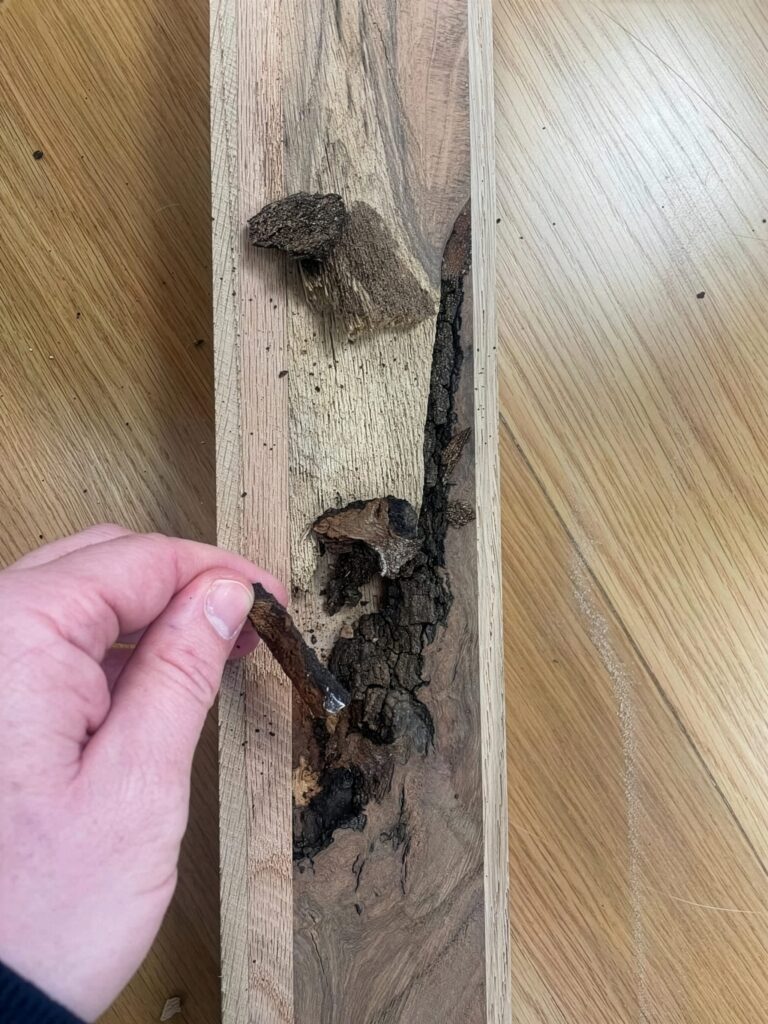
Quality variation is the second. Timber that’s technically within spec can still behave very differently on the shop floor depending on how it’s been graded, stored and handled before it reaches you. A cheaper batch that needs more sorting, more rework, or more waste doesn’t just cost time. It quickly erodes the saving that justified the switch in the first place, and usually by far more than the 10p ever bought.
Then consider the knock-on impact too: rework, delays, and that awkward conversation with a customer where you have to manage expectations that the product isn’t going to be ready for the day you promised… Add to that the sum of the labour hours spent fixing what shouldn’t have needed fixing, and that saving on paper starts to look a lot smaller than it did in the quote.
Why this matters beyond one order
We understand that tightening the purse strings is a necessity for many of us and the pressure to find savings wherever possible is a reality across the supply chain.
But this is a pattern we’re seeing time and time again across the sector. When buying decisions are made purely on price, it puts pressure on the manufacturers who are trying to keep quality and consistency front of mind, because they’re now competing against suppliers willing to cut margin to win the order. That’s a race to the bottom and it doesn’t just impact the supplier who loses the business. It changes the dynamics of the entire market, as expectations around pricing continue to be driven downward.
Specialist, labour-intensive manufacturing – staircase production being a very relevant example – runs on tight margins already. Push those margins further and something has to give. Sometimes it’s capacity, as smaller manufacturers scale back or exit altogether. Sometimes it’s lead times, as fewer suppliers are left to absorb demand when things pick up. Either way, the industry ends up with less resilience exactly at a time when it needs it most.
Fluctuating prices
It’s also worth being upfront about the other side of the coin here: timber prices do move for all sorts of real reasons, and not all of them are anyone trying to catch you out.
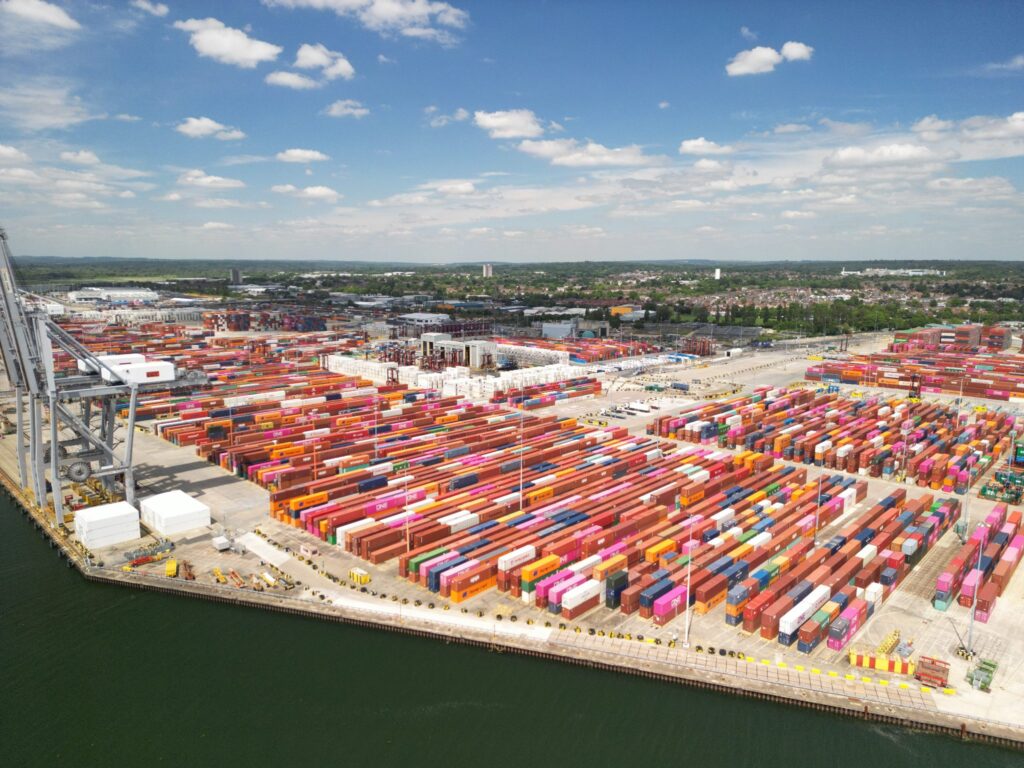
Freight rates shift with container availability, currency moves against more than one region at once, and mill costs creep up or down. Add in the wider picture, energy, labour, housing output – and you have a market that’s constantly shifting, which means a lower price isn’t necessarily proof of anything sinister, just as a higher one isn’t automatically a rip-off.
It’s worth keeping an eye on these various prices because that’s what tells you whether a saving is coming from the market moving in your favour, or from somewhere else in the supply chain being squeezed to make it happen.
That’s exactly the kind of thing our Industry Insights hub is built to help with, giving you visibility on materials, logistics, currency, UK market and building data, so decisions get made on the full picture, not just the number at the top of the quote.
The bit worth remembering
Cheap decisions are rarely cheap in the long run. A lower price at the point of order can still be the right call: sometimes it genuinely is just a better deal. The point isn’t to be suspicious of every saving. It’s to look past the unit price and ask what else is riding on that decision: supply reliability, quality consistency, and whether the supplier making the offer can actually stand behind it when demand shifts.