When timber prices move, the first question many procurement teams ask is: “Why has the price gone up?”
And then, when sourcing timber components, the conversation quickly turns to: “Who can supply it cheapest?”
Price matters – there are no two ways around that. But when you are purchasing timber for staircases or other critical structural components, the lowest number on a quotation is just one small aspect of the whole equation.
After all, any savings secured at the point of purchase can quickly erode due to rework, supply delays or product failures. More importantly, an excessive focus on cost can distract from far more significant concerns, such as structural integrity, regulatory compliance and safety.
Staircases are safety-critical products – not commodities
It is easy to treat timber as an interchangeable commodity where one batch appears identical to another at surface level. But timber manufactured for staircases performs a fundamental structural function.
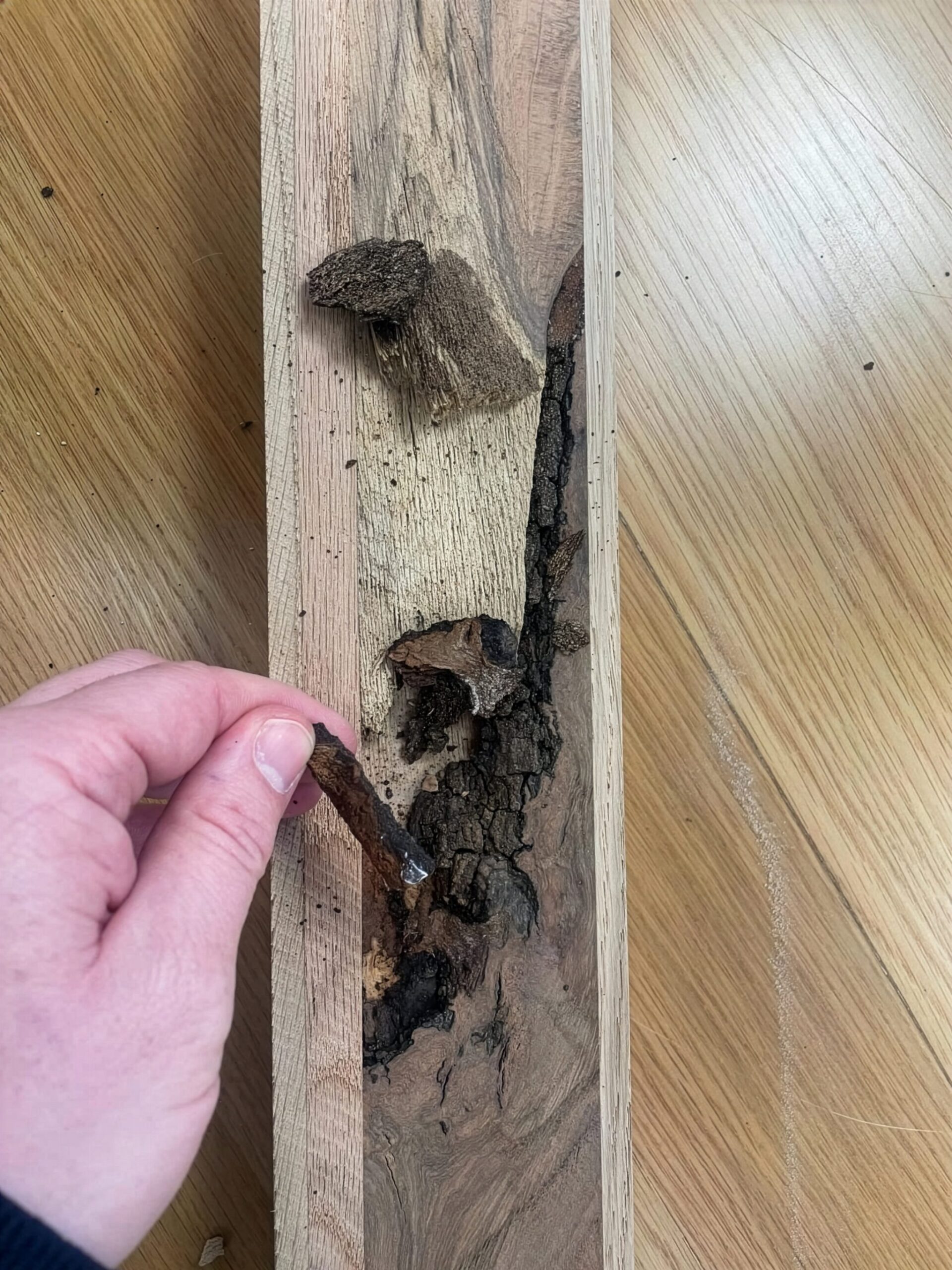
Unlike non-structural decorative elements, staircase components carry a continuous load-bearing responsibility. Yet when purchasing decisions are driven primarily by headline price, there can be pressure to substitute specifications, downgrade material quality or bypass rigorous verification standards.
Those compromises may not be immediately visible, but their impact can be serious: rework, installation problems and long-term performance issues can quickly outweigh any initial saving, particularly in applications where structural integrity is paramount.
The legal and compliance liabilities
Beyond physical performance, buying strictly on cost exposes your business to severe compliance liabilities:
- Unverified traceability & illegal materials: Purchasing timber without clear documentation increases the risk of illegal or mislabelled material entering the supply chain. For example, despite the 2022 ban on Russian timber imports, concerns remain over products being falsely declared as originating from other countries. Businesses found trading or possessing illegally harvested timber can face significant financial and reputational consequences.
- Specification substitutions: A quote may look 5% cheaper but that could be down to the fact a supplier has substituted a specified timber grade or origin with an inferior alternative that fails to meet UK building standards.
- Warranty & liability exposure: If a structural component fails due to substandard material, the cost of rectification, legal liability, warranty claims, and brand damage often eclipses the original discounted price.
None of these points should ever be treated as optional extras, but rather essential safeguards for ethical business.
Comparing the whole proposition, not just the spreadsheet
Before accepting the lowest quote, procurement teams must look beyond those headline figures. Evaluating the complete supply proposition means weighing the purchase price against four core operational pillars.
Specification should be the first consideration. Confirm whether you are receiving identical timber grades, moisture content, tolerances, and environmental certifications – or if the specification has been downgraded to hit that lower price point.
Supply reliability matters just as much. A low unit price offers zero value if material fails to arrive when your manufacturing schedule demands it.
Compliance and traceability are equally important. Buyers should be confident that timber is legally sourced, fully documented and compliant with the standards relevant to its intended application.
Finally, there is the specialist value-add a supplier brings beyond the product itself. Technical expertise, consistent quality, responsive support and the ability to solve problems all contribute to the real cost and performance of a supply partnership.
The questions you should actually be asking your suppliers
To protect your business from these compliance gaps and structural liabilities, replace “Who is cheapest?” with these six critical questions:
- Can you provide full documentation proving the exact origin and legality of this timber?
- Is this quote based on the exact timber grade, moisture content and specification requested, or have substitutions been made?
- What are your guaranteed lead times, and how reliable is your material availability for our production schedule?
- What quality control processes are in place to ensure consistency from batch to batch?
- How do you verify that the timber meets all relevant UK building and material compliance standards?
- If a material defect or specification issue arises, what technical support and warranty recourse do you provide?
Price transparency starts with understanding the market
Negotiating on price is a normal part of business. But the most sound purchasing decisions are built on transparent value and accurate market intelligence rather than guesswork.
That is why we developed the Think Timber Insights Hub. By providing live visibility into raw material movements, currency fluctuations, and shipping freight costs, the Insights Hub helps you understand what is genuinely driving the cost of timber.
When you understand the market, you can distinguish between a price shift driven by genuine global market forces and a cheap quote made possible by compromised standards. So, before you compare the price, make sure you compare the whole proposition.