Some things in life are certain: death, taxes, and someone in procurement asking why the price has gone up again since last month. Everything else, including the price of timber, is a little more fluid.
No, you’re not imagining it, your timber quote likely has been fluctuating week to week without an obvious reason. And the reason is almost never as simple as “demand’s up” or “supply’s tight.”
There are a handful of things that contribute to undulating timber costs – and most of them are probably not what you think.
And here’s the bit worth saying upfront: almost none of them are decisions anyone at Think Timber is making. We’re not choosing to move the price. We’re passing through what’s already moved somewhere else in the chain, long before it reaches your quote.
It’s exactly why we built the Industry Insights hub on our new site, so you can actually see what’s driving the number rather than guessing at it.
Freight and transport
Freight is the one people get wrong most often. It would be easy to assume freight prices track oil, but the reality is the connection isn’t quite as tight as you’d think.
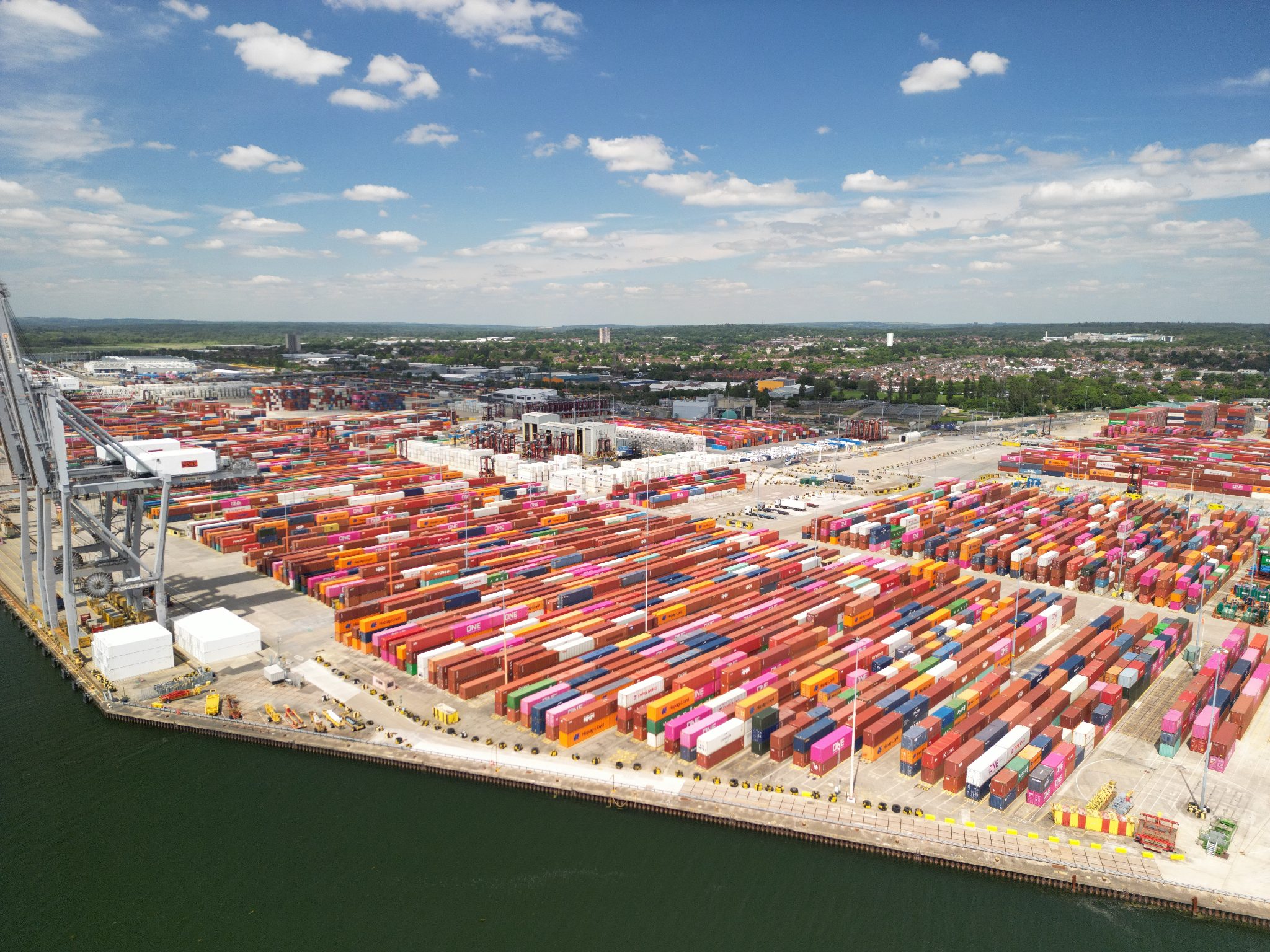
Sea freight rates can fall year-on-year even while everything else in the chain is climbing. That’s because they’re set by container availability, port congestion and demand from other industries fighting for the same cargo space.
Now oil and road transport are more connected, but still more loosely than most people would guess. Fuel is just one of several inputs into haulage pricing, and hauliers tend to absorb or phase in cost rises rather than pass them straight on. As such, a sharp jump in crude doesn’t land on your delivery note in equal measure. Watch the oil price, by all means – just don’t treat it as a guarantee of what’s coming.
Currency
Currency is where it gets a bit tricky, because it rarely moves the same way across every route at once. The pound can strengthen against the euro in the same month it weakens against the yuan, and since UK staircase timber comes from more than one region, it’s important to have eyes across them all. Watching GBP/EUR alone means you could easily miss a bigger move happening on GBP/CNY – and these things can shift several percentage points in a matter of weeks, not months.
Materials
Underneath all of that sits the raw material cost. Timber, depending on species or product, can climb or slip steadily at the mill over months, driven by their own demand, harvest cycles and forestry supply. This is usually the baseline a quote sits on, with freight and currency adding the variable elements on top.
Add to that, the wider UK picture
Broader market conditions have a hand in shifting timber prices too: energy costs affect what it takes to process and manufacture timber, labour costs and interest rates indicate what merchants can absorb before passing an increase on, and building data (starts, completions, house prices) signal how much pressure is coming through the pipeline. These might move at a slower pace compared to freight or currency, but they certainly provide wider context.
Why any of this matters to timber
Timber for the UK staircase sector travels a long way before it reaches you: cut and processed overseas, paid for in a foreign currency, shipped a long distance, then sold on to manufacturers already working on thin margins.
None of these levers sit with us. What lands on your quote is what’s already happened upstream. Our job is to pass it through accurately, not to decide it. This isn’t about pointing fingers or placing blame: it’s about visibility. The more you understand what’s shaping a quote, the better placed you are to time a purchase, ask the right question, or simply know a rise is temporary rather than the new normal.
What it means for buying and stockholding
Stock levels can sometimes distort the real picture. When suppliers hold surplus timber bought at lower historical rates, they may offload it at prices that don’t reflect current acquisition or shipping costs.
This creates an artificial benchmark in the market, putting further pressure on margins when new orders arrive at updated rates. Often, merchants and manufacturers absorb these cost gaps at the request of the housebuilder whose sole focus is on price, making it even more vital to understand the underlying data rather than relying on temporary market anomalies.
Track it, don’t guess it
That’s the whole reason we built the Industry Insights hub: live data on freight, oil, currency, materials and the UK market, with a daily Timber Rundown connecting the dots between them so you’ve got the answer before you even need to ask. And when you do want to talk it through, we’re always here, just now with better questions to work with.